Housing and Urban Rights
When Urban Renewal Displaces Residents in Addis Ababa
Addis Ababa’s corridor development has improved roads and public spaces, but residents and rights organisations report displacement, short notice, inadequate consultation and disrupted livelihoods.
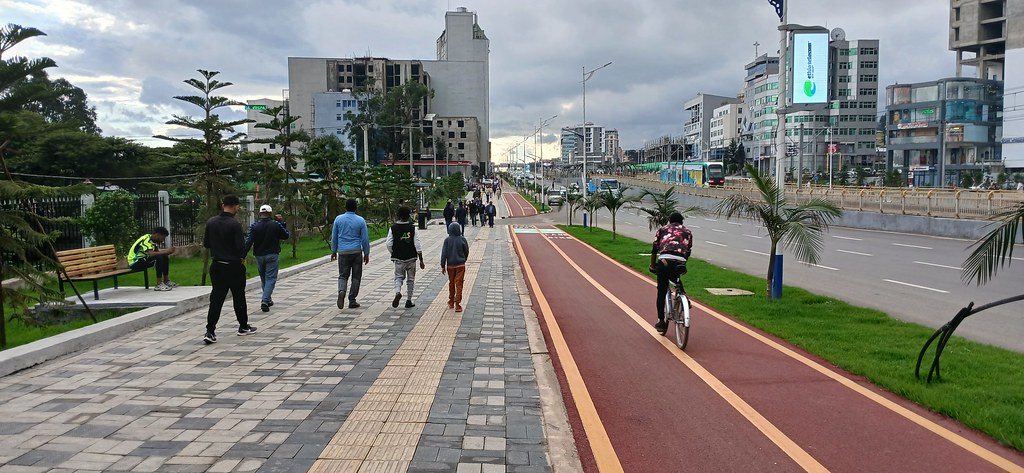
Addis Ababa is undergoing a rapid physical transformation through the government led Corridor Development Project, sometimes described as green corridor development. Roads have been redesigned, pedestrian routes expanded, public spaces renovated and greenery introduced across parts of the capital.
These improvements may benefit the city. However, the project has also resulted in the demolition of homes and businesses and the relocation of residents. Reports from affected communities and human rights organisations raise serious questions about consultation, notice, compensation, alternative housing and the protection of livelihoods.
The government’s development objectives
The Addis Ababa City Administration says the corridor project is intended to improve transportation, pedestrian safety, drainage, lighting, cleanliness and access to green public spaces. When the second phase was announced in October 2024, city officials said relocation housing had been prepared for residents of government owned kebele houses, compensation had been arranged for private property owners and a mechanism had been created for complaints.
The second phase covered several parts of the city, including routes through Kazanchis, Meskel Square, Mexico, Churchill Avenue, Arat Kilo, CMC, Summit, Goro, Sar Bet, Kebena and Entoto.
In July 2026, Addis Ababa City Manager Wondimu Seta said the project had moved people from poorer living conditions into better housing. He referred to relocation areas including Gelan Gura, Lafto Electric Power and Bole Arabsa, where the administration intended to provide roads, schools, sanitation and recreational areas. He also acknowledged that supporting infrastructure and services had not always developed at the same speed as housing, causing disruption for some residents.
These official objectives should be considered alongside the experiences reported by people whose homes and businesses were affected.
Demolitions and relocation in Piassa
Piassa was among the first areas significantly affected by the corridor development. In March 2024, Mayor Adanech Abiebie said almost 2,000 houses had been demolished and as many as 11,000 people relocated. She stated that residents of the demolished homes had received condominium housing.
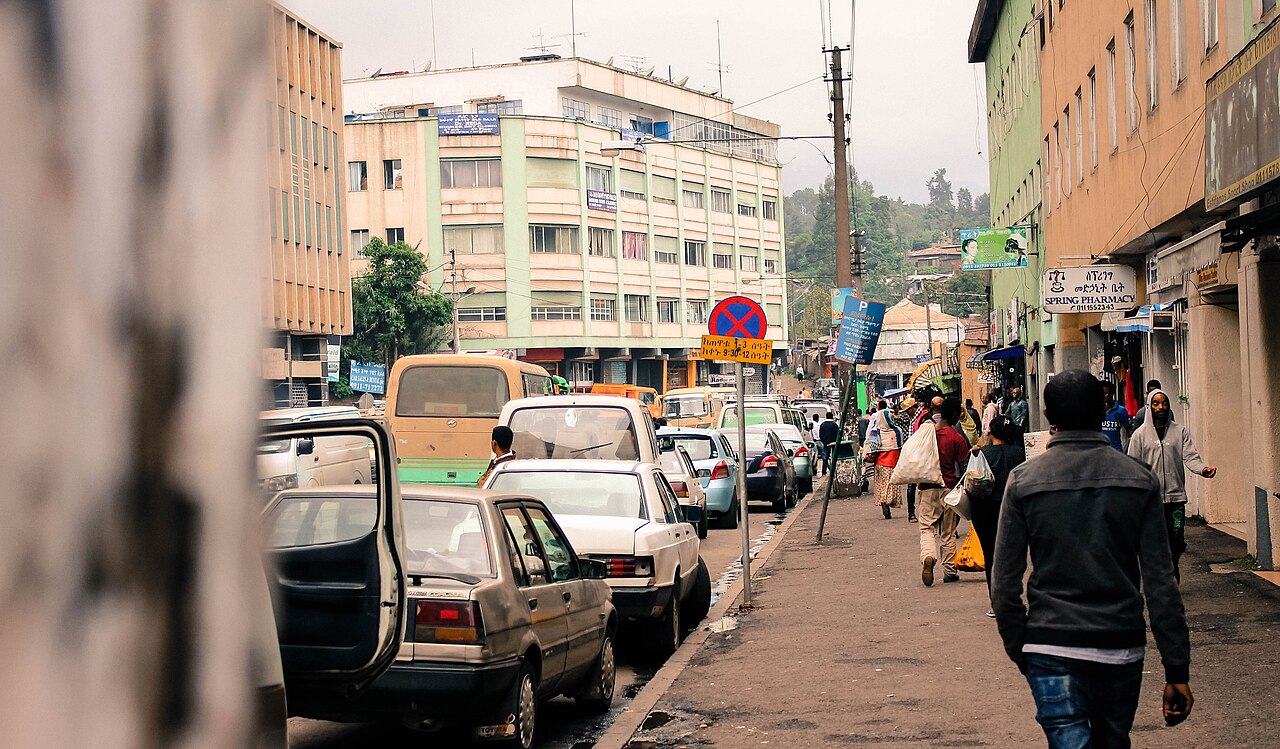
However, some business operators told The Reporter that they had received only a few days of notice. One restaurant proprietor said the demolition caused the loss of a business that had employed approximately 60 people. Concerns were also raised about whether the alternative business locations offered were affordable or capable of attracting the same customers.
Displacement is therefore not only about losing a physical structure. Moving residents away from their neighbourhoods can affect employment, education, transportation costs, access to healthcare and relationships with relatives and neighbours. Small traders may lose customers, while people who work in the city centre may face longer and more expensive journeys from relocation sites.
Human rights findings
In April 2025, Amnesty International called on the federal government to pause corridor development activities until adequate human rights safeguards could be established. The organisation investigated demolitions in the Bole and Lemi Kura sub cities during the project’s second phase.
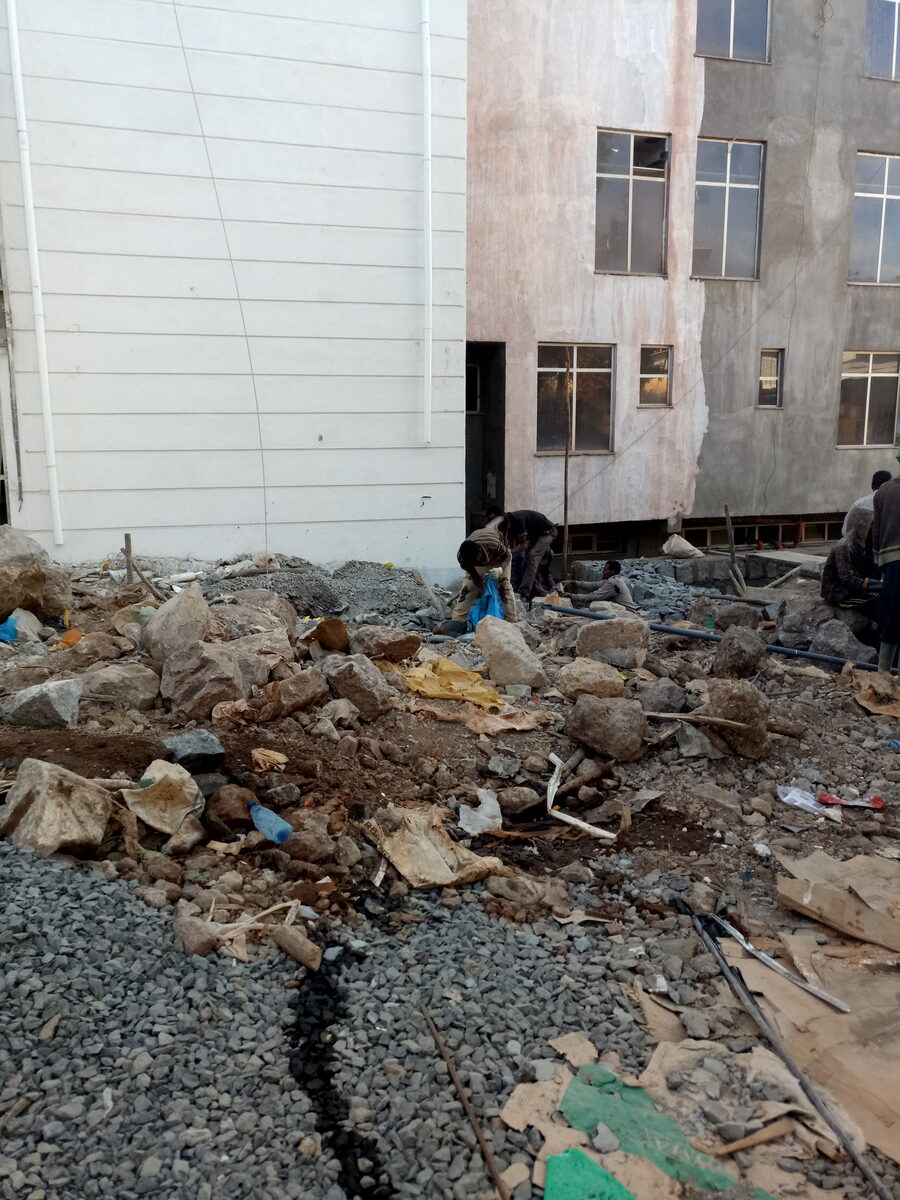
Forty seven surveyed household representatives reportedly told Amnesty that demolitions occurred between 24 and 72 hours after they received oral notice. They also said they had not received compensation. Some affected residents occupied houses recognised through a form of land possession documentation but did not have formal certificates of ownership.
Amnesty’s examination of satellite imagery found that at least 29 hectares of densely built areas in the investigated locations had been cleared between November 2024 and February 2025. The organisation characterised the removals it documented as forced evictions because it found that residents had not received sufficient notice, genuine consultation, compensation or an effective opportunity to challenge the decisions.
Human Rights Watch also reported that large urban redevelopment projects had caused waves of forced evictions in Addis Ababa and other Ethiopian cities. It said affected people had frequently received little or no consultation, inadequate notice and insufficient compensation or resettlement.
The city administration disputes the suggestion that residents have simply been abandoned. Officials say replacement housing, financial compensation, rent support and procedures for complaints have been provided. In January 2025, the mayor stated that more than 4,000 homes had been prepared for relocated residents, five billion birr allocated for compensation and replacement property provided to some affected people.
Nevertheless, residents interviewed by Addis Standard described inconsistent experiences. While some people received alternative homes or business locations, others reported sudden demolition, delayed or inadequate compensation and the loss of livelihoods.
Development must respect housing rights
International human rights standards do not prohibit governments from improving roads, public spaces or urban infrastructure. They require development to be conducted without violating the rights of the people who already live and work in affected areas.
According to the United Nations human rights framework, an eviction should not take place without genuine consultation, adequate and reasonable notice, access to information, legal remedies and fair compensation. Where people cannot provide for themselves, authorities must take appropriate measures to prevent homelessness and provide access to suitable alternative housing or productive land.
The absence of a formal ownership certificate should not mean that residents can be removed without basic procedural protection. Tenants, informal occupants, small traders and people living in older kebele housing can all suffer serious harm when displacement occurs without adequate preparation.
What authorities should do
The Addis Ababa City Administration should publish clear information about the number of homes and businesses demolished, the number of people relocated, the compensation paid and the conditions at every relocation site.
Before additional demolitions take place, affected communities should receive written notice in a language they understand and enough time to obtain advice, challenge decisions and prepare for relocation. Consultation should occur before the final decision, not only after demolition has become unavoidable.
Compensation should reflect the actual cost of replacing homes, businesses and lost sources of income. Alternative housing should provide reliable water, electricity, sanitation, schools, healthcare and affordable transportation. Particular attention is required for older people, persons with disabilities, women led households and families living in poverty.
An independent and accessible complaints process is also necessary. People who believe their property was incorrectly valued, who did not receive promised housing or who lost their livelihoods should be able to seek review without fear of retaliation.
A city for all its residents
Addis Ababa needs safe roads, functioning drainage, public transportation and green spaces. But the success of urban development cannot be measured only by the appearance of newly constructed streets.
It must also be measured by whether residents remain securely housed, whether children can continue attending school and whether workers and traders can preserve their livelihoods.
Development and human rights do not have to be competing goals. With genuine consultation, fair compensation, appropriate relocation and accountability, a city can improve its infrastructure without pushing vulnerable residents further into poverty.
A greener and more modern Addis Ababa should remain a city in which existing communities have a place. Residents should not become invisible in the process of rebuilding the neighbourhoods they have called home.
Sources and further reading
- Fana Media Corporation, Addis Ababa to launch second phase corridor development works, 8 October 2024
- The Reporter, Piassa makeover displaces 11,000 residents, 30 March 2024
- Addis Standard, Dual faces of Addis Ababa’s corridor project, 13 January 2025
- Amnesty International, Federal government must pause the corridor development project and end forced evictions, 14 April 2025
- Human Rights Watch, World Report 2026: Ethiopia
- Addis Media Network, interview with Addis Ababa City Manager Wondimu Seta, 20 July 2026
- Office of the United Nations High Commissioner for Human Rights, Forced evictions